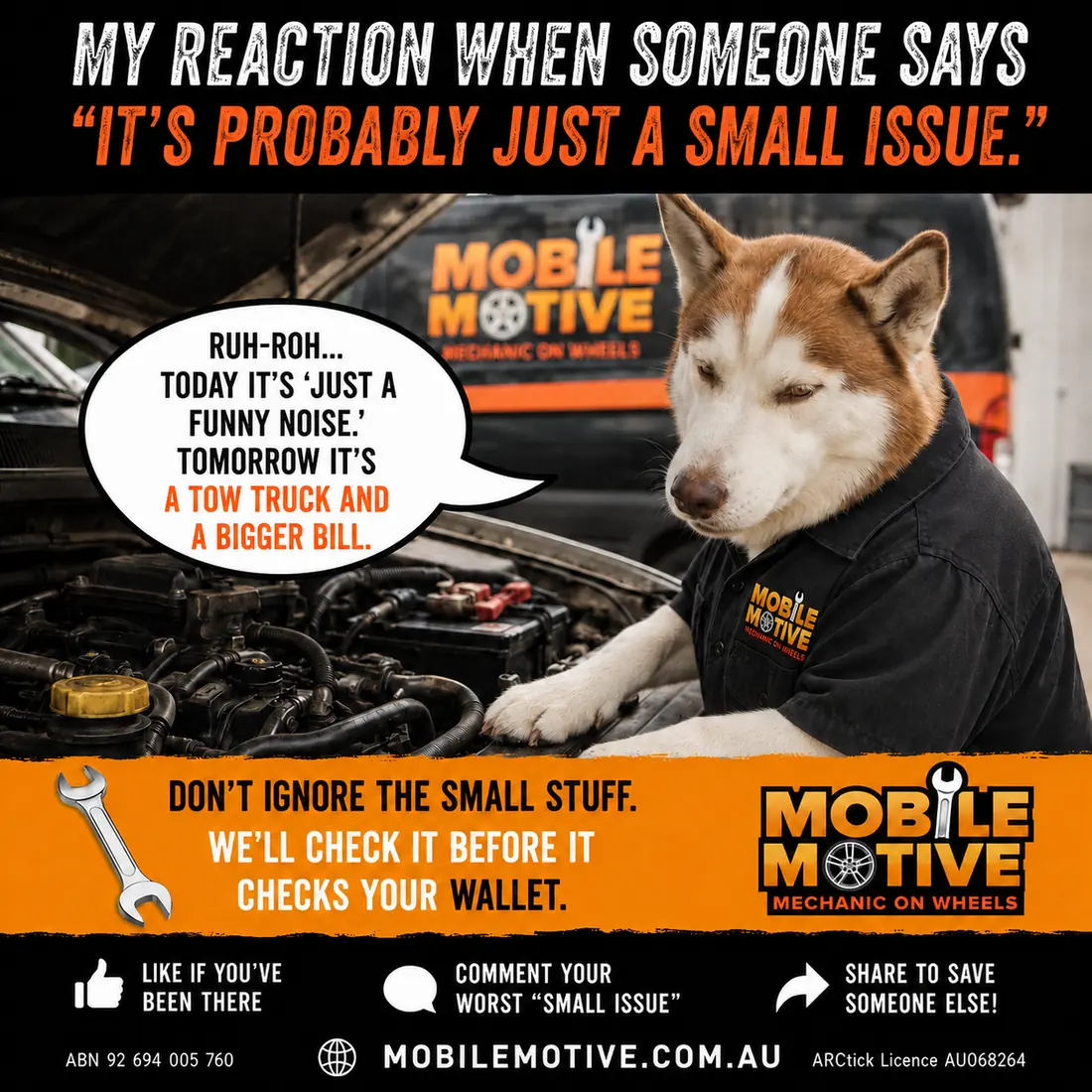
Check engine light diagnosis: why the code is only the starting point
How scan data, circuit testing and symptom verification prevent parts-cannon diagnosis.
Read diagnostic guideStraightforward automotive information built around testing first, confirming the fault and replacing parts only when the evidence supports it.
A diagnostic trouble code identifies the system that detected a problem. It does not automatically identify the failed component.
These articles explain the checks used to separate wiring, control, mechanical and component faults. Vehicle-specific specifications must still be confirmed against current manufacturer service information.
How scan data, circuit testing and symptom verification prevent parts-cannon diagnosis.
Read diagnostic guide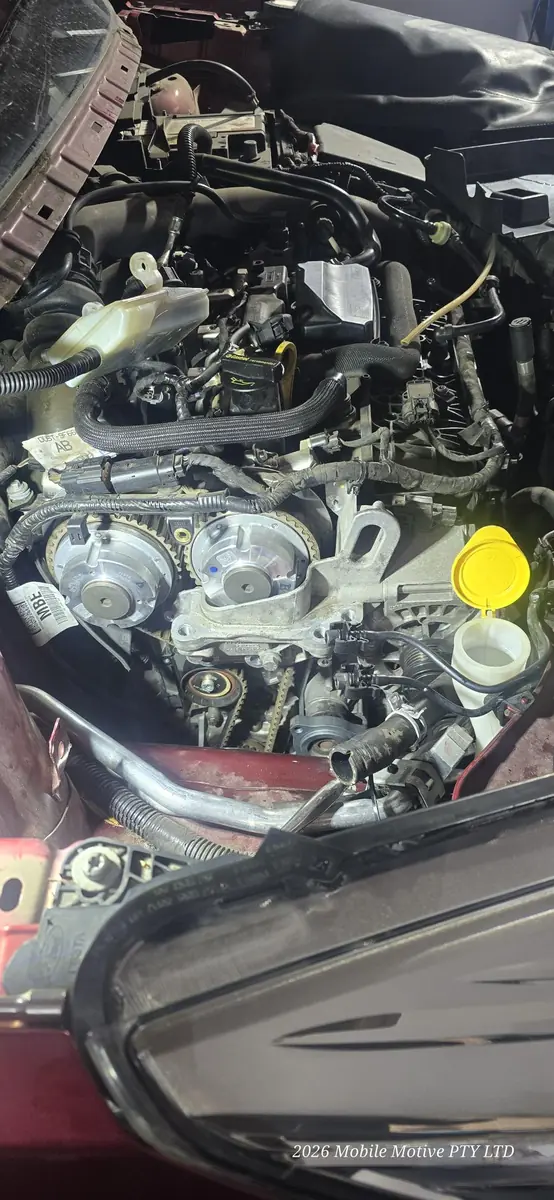
A logical path for verifying battery condition, charging performance and parasitic current.
Read article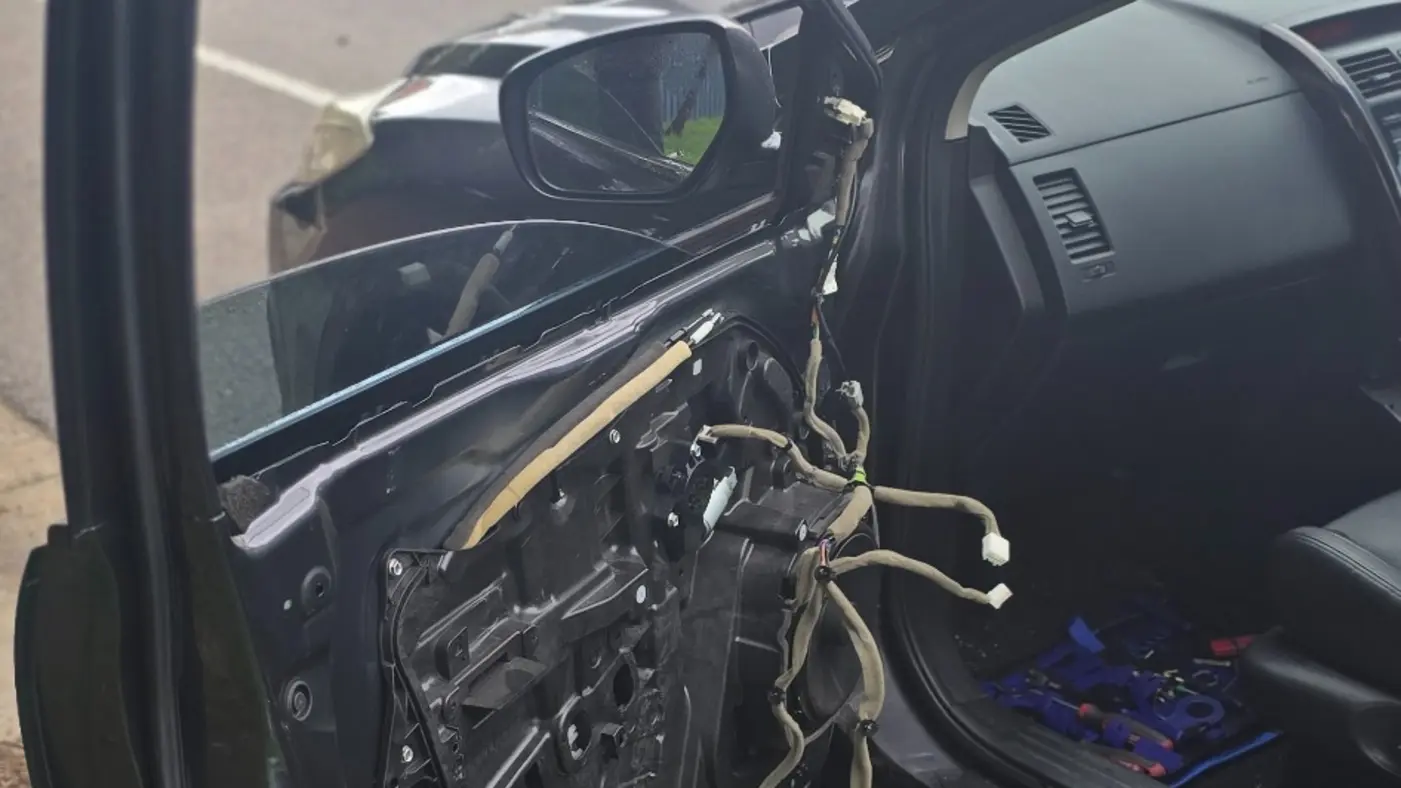
Why continuity alone can miss resistance and how loaded circuit tests expose real wiring faults.
Read article
Charging command, cable voltage drop, load response and ripple checks explained.
Read article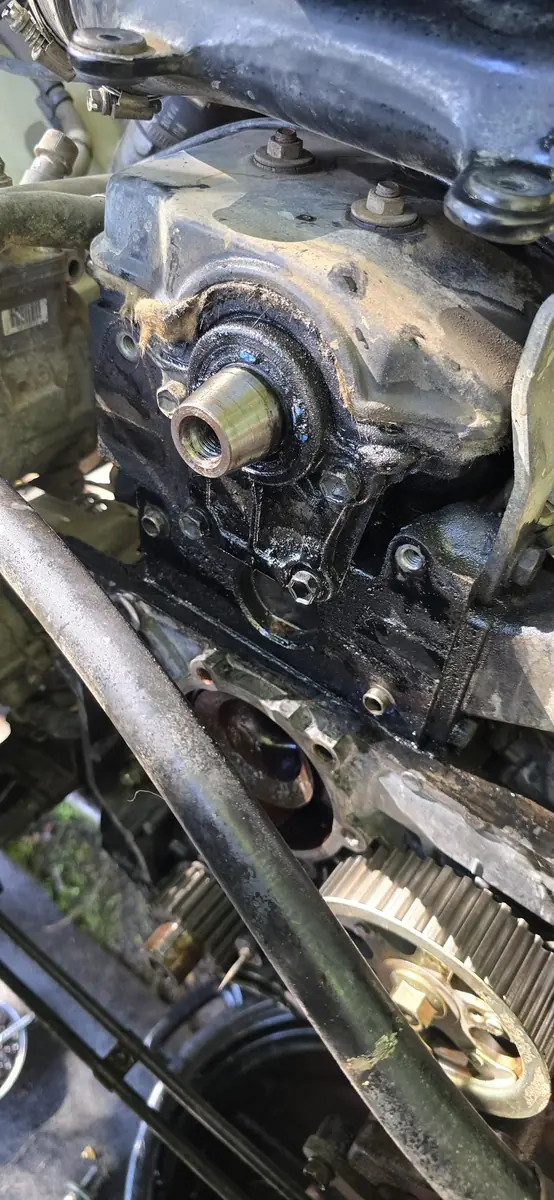
The first split in an efficient no-start workflow and the measurements that follow.
Read article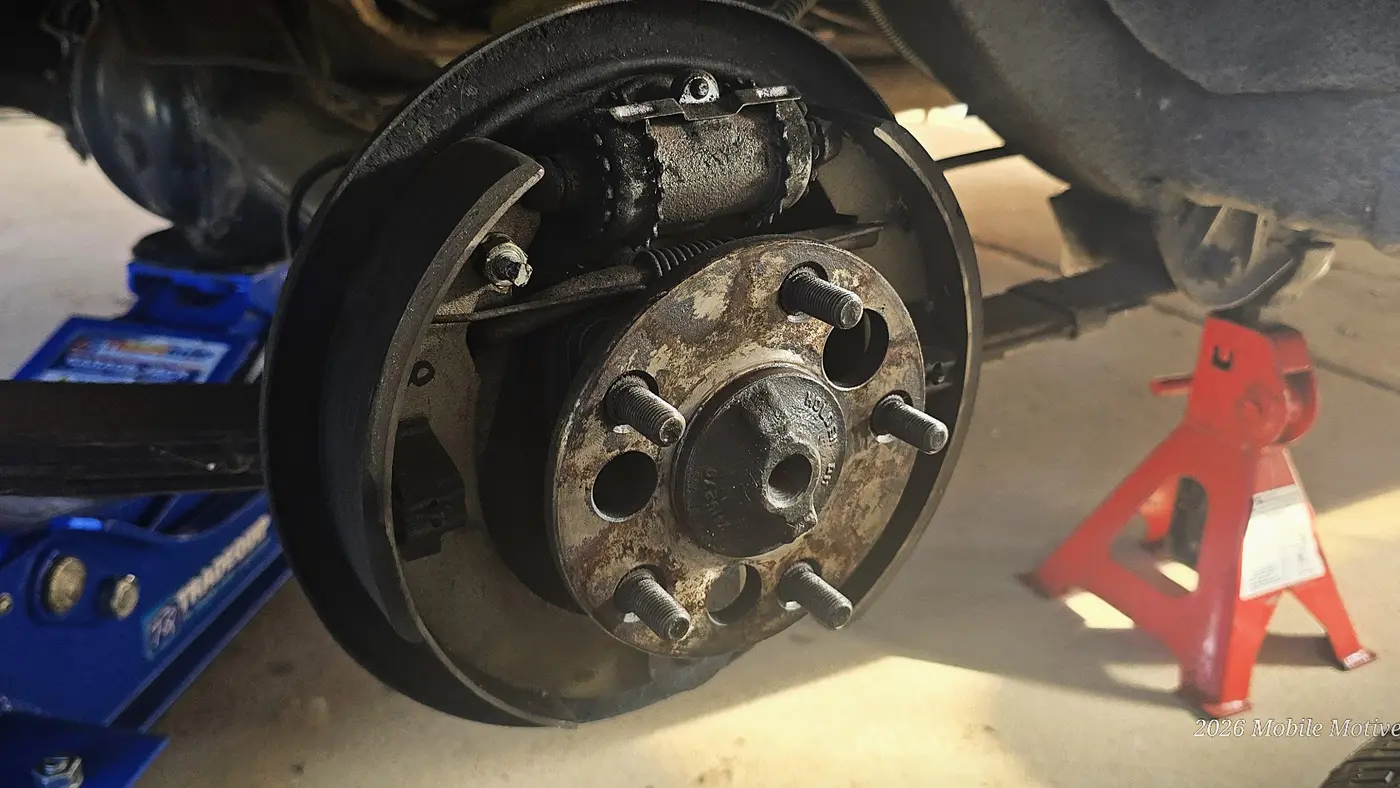
Using when, where and how the noise occurs to direct a safe physical inspection.
Read article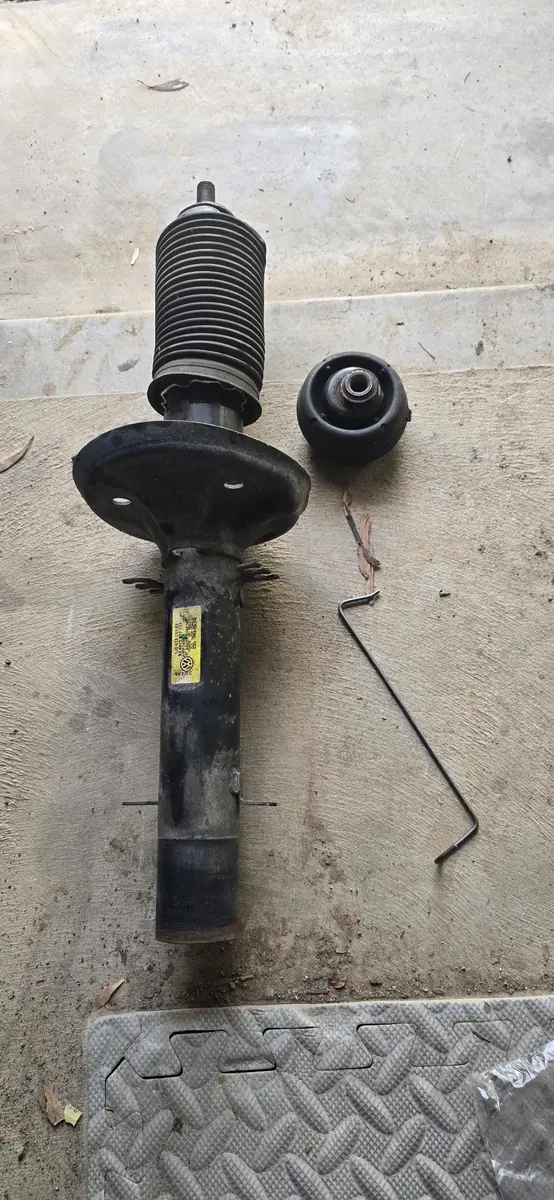
Thickness, scoring, heat damage and lateral runout considerations before quoting parts.
Read article
Pressure testing, temperature comparison and fan-control checks before component replacement.
Read article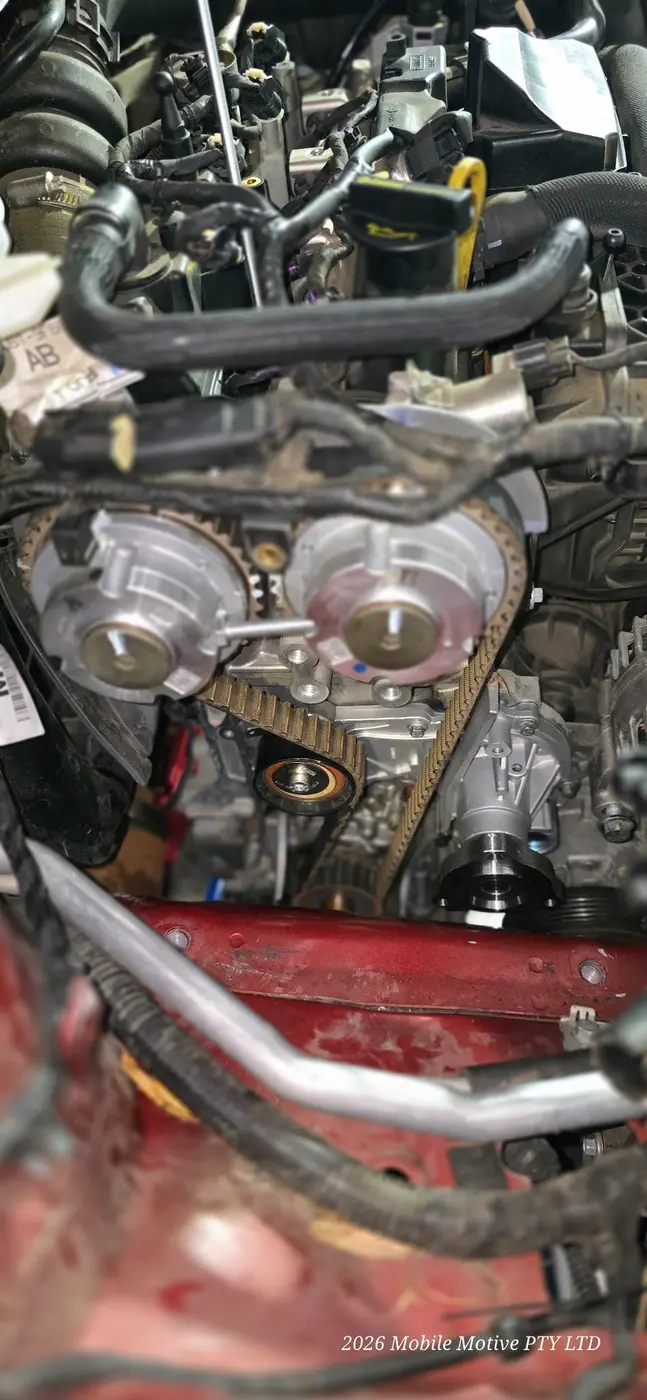
Why service history, interval, tensioners, idlers and water-pump condition all matter.
Read article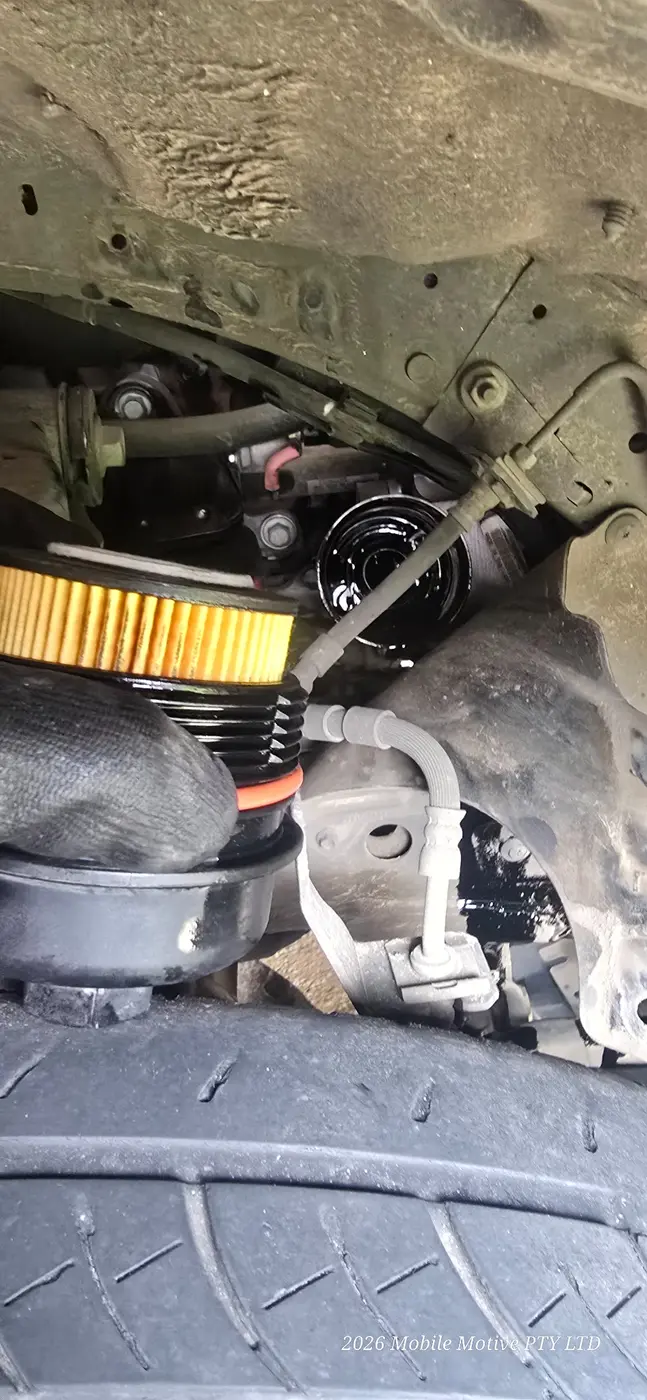
Scheduled items, correct fluids, inspection findings and service-record requirements explained.
Read article
Commanded versus actual data, intake integrity and actuator checks before condemning a turbo.
Read article
How scan checks, road testing and physical inspection reduce risk without promising the future.
Read articleNo articles match that search. Try a system name, symptom or a different category.
Testing methods are broadly applicable, but pin assignments, expected voltages, torque values, fluid specifications and service procedures vary by model, engine, build date and market. Confirm exact data using manufacturer or licensed service information before repair work.
Safety-critical work involving braking systems, vehicle support, fuel, refrigerant, high voltage or supplemental restraint systems requires suitable training, equipment and controls.
Mobile Motive combines more than 20 years of trade experience with current scan tools, oscilloscope testing and licensed service information.
ABN 92 694 005 760
ARCtick Licence AU068264
Send your vehicle details, warning lights, symptoms and location. Mobile Motive can inspect and test the vehicle at your home or workplace where safe and practical.